


China–Australia Brain Science Salon on Precision Intervention and Restoration of Cognitive Disorders (Fuzhou Session) Concludes Successfully
China–Australia Brain Science Expertise Unites to Build a New Bridge for Translating Discoveries into Impact International Salon Series on Precision Intervention and Restoration of Cognitive Disorders (Fuzhou Session) Concludes Successfully
On September 18, 2026, the International Salon Series on Precision Intervention and Restoration of Cognitive Disorders (Fuzhou Session), hosted by the International Life Science and Translational Medicine Alliance (ILSTMA), drew to a successful close at the Kempinski Hotel Fuzhou. The salon convened department heads and experts from the University of Wollongong (Australia), the University of Technology Sydney, Fuzhou University, the Provincial Hospital Affiliated with Fuzhou University, Fuzhou Children’s Hospital of Fujian Province, Fujian Medical University Union Hospital, Fuzhou First General Hospital, and the First Affiliated Hospital of Xiamen University, together with representatives from academia, industry and the research community. Participants engaged in in-depth discussions on frontier topics — including brain–computer interfaces (BCIs), neuromodulation, anti-brain-aging, and cognitive intervention and restoration — and explored new pathways for cross-border research collaboration and the translation of scientific achievements.
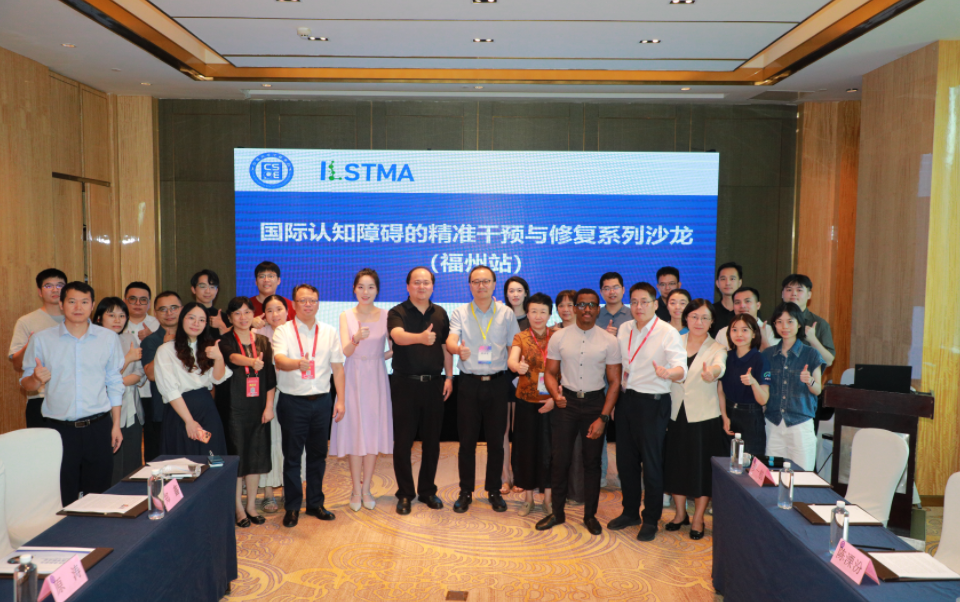
International Salon Series on Precision Intervention and Restoration of Cognitive Disorders (Fuzhou Session)
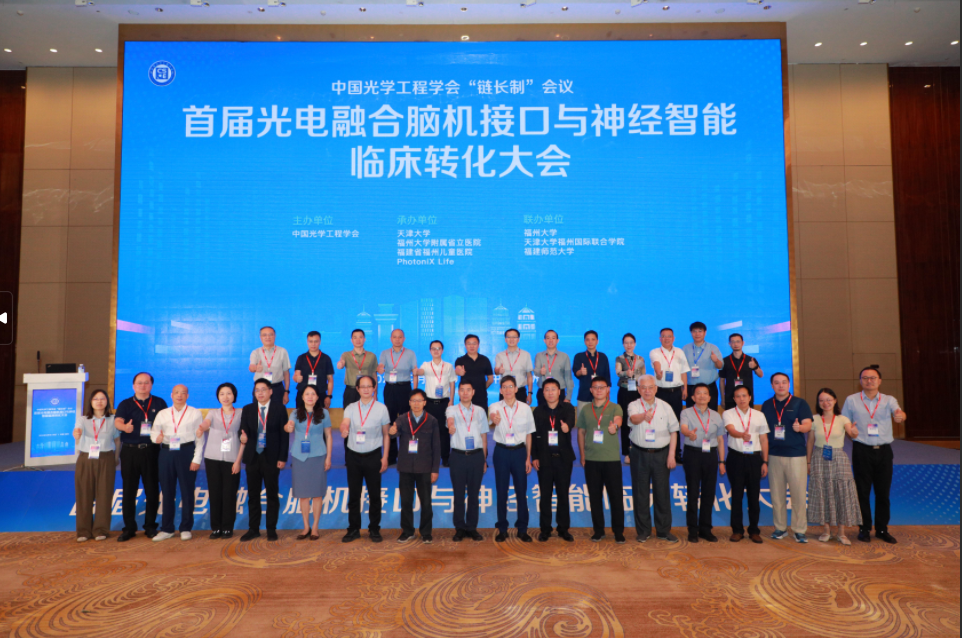
The First Conference on Optoelectronic-Integrated Brain–Computer Interfaces and Clinical Translation of Neural Intelligence
The salon was moderated by Mr. Huang Fei, Secretary-General of ILSTMA. Mr. Wang Haiming, Deputy Secretary-General of the Chinese Society for Optical Engineering, delivered the opening remarks, extending a warm welcome to all attendees and voicing high expectations for the salon.
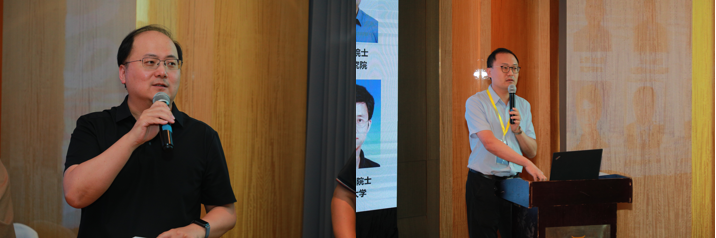
Huang Fei, Secretary-General of ILSTMA | Wang Haiming, Deputy Secretary-General of the Chinese Society for Optical Engineering
Following the opening, Professor Xufeng Huang, President of ILSTMA and Distinguished Professor at the University of Wollongong, delivered an address. He gave a systematic overview of the Alliance’s international academic, project and talent resources, and warmly welcomed colleagues from China and abroad to join its efforts in identifying and advancing opportunities for China–Australia collaboration.
In the presentation session that followed, four speakers delivered insightful talks. Professor Su Qian of the University of Technology Sydney (Deputy Secretary-General of ILSTMA) presented the frontier advances and applications of nanoscale super-resolution quantitative imaging; Dr. Song Shiwei of Fuzhou Children’s Hospital of Fujian Province and Fujian Medical University Union Hospital shared his work on BCI innovation needs in real-world clinical settings for brain disorders and collaborative medical–engineering efforts; Dr. Chen Hong of Fuzhou First General Hospital reported the latest findings on CTCF and CWC27 gene mutations in research on genes associated with cognitive disorders; and Ms. Zhao Haiyan, Deputy Secretary-General of the Brain Science Committee of ILSTMA and founder of iReal, shared practical experience in developing a whole-life-cycle support system for children with autism.
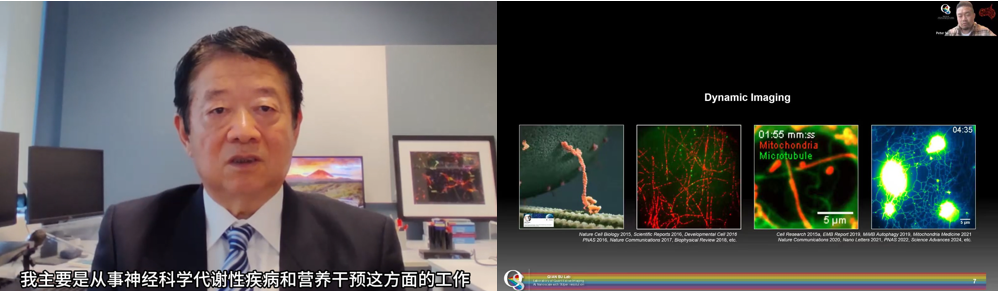
Top left: Professor Xufeng Huang (University of Wollongong, Australia; President of ILSTMA) | Top right: Su Qian (University of Technology Sydney; Deputy Secretary-General of ILSTMA)
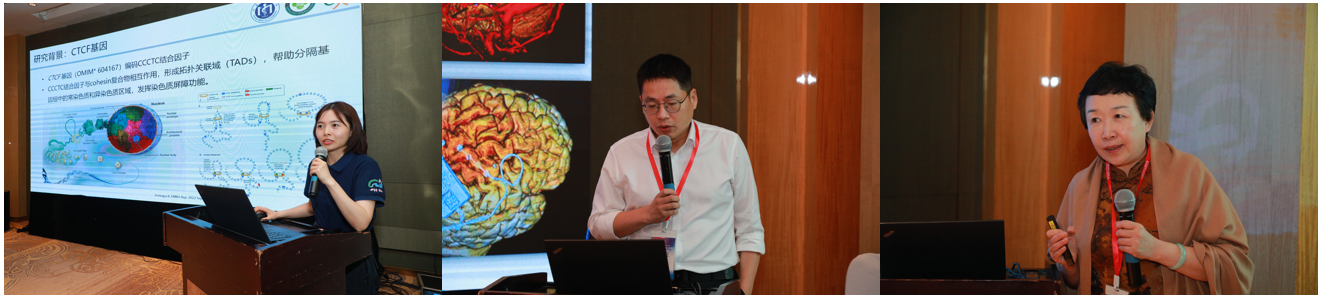
Chen Hong (Fuzhou First General Hospital) | Bottom center: Song Shiwei (Fuzhou Children’s Hospital of Fujian Province; Fujian Medical University Union Hospital) | Zhao Haiyan (Deputy Secretary-General of the Brain Science Committee of ILSTMA; Founder of iReal)
During the subsequent open discussion, heads of hospital departments and academic leaders shared their respective work plans and development needs, creating a vibrant atmosphere of exchange. The attending experts unanimously agreed that China and Australia are highly complementary in the field of brain science: Australia has accumulated deep expertise in brain–computer interfaces, neuromodulation, multicenter cohort studies, and gut–brain-axis cognitive interventions, while China offers abundant clinical resources and vast space for industrial translation — a combination that promises broad prospects for bilateral collaboration.
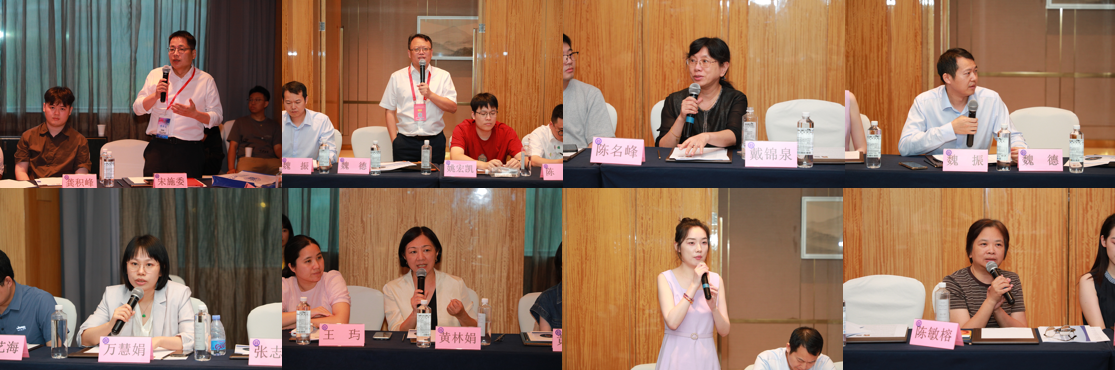
From Left: Song Shiwei (Fuzhou Children’s Hospital of Fujian Province; Fujian Medical University Union Hospital) | Wei De (Provincial Hospital Affiliated with Fuzhou University) |
Chen Mingfeng (Provincial Hospital Affiliated with Fuzhou University) | Wei Zhen (Provincial Hospital Affiliated with Fuzhou University);
From Left:Wan Huijuan (First Affiliated Hospital of Xiamen University) | Huang Linjuan (Fuzhou Children’s Hospital of Fujian Province) |
Zhou Ying (Department of Biomedical Engineering, Fuzhou University) | Chen Minrong (Fuzhou Children’s Hospital of Fujian Province);
The successful conclusion of the salon established an efficient platform for introducing Australian resources and enabling the precise alignment of resources and talent, laying a solid foundation for building a bridge for China–Australia research collaboration and achievement translation. Going forward, ILSTMA will continue to serve as a bridge on the international academic platform, integrating research and clinical strengths at home and abroad to foster sustained collaboration across China, Australia and the wider Asia-Pacific region, and to open an international innovation chain spanning basic research, clinical translation and industrial application — contributing further strength to brain health for all.
During the same period, the Alliance also supported the “chain-leader system” conference organized by the Chinese Society for Optical Engineering — the First Conference on Optoelectronic-Integrated Brain–Computer Interfaces and Clinical Translation of Neural Intelligence.
About ILSTMA
Founded in Sydney, Australia, in April 2026, the International Life Science and Translational Medicine Alliance (ILSTMA) is dedicated to building an international collaboration platform through transnational cooperation and cross-disciplinary integration, advancing the translation and application of medical achievements worldwide, and elevating the value chain of medical innovation. Its core functions include facilitating academic exchange, accelerating achievement translation, connecting market collaboration nodes, and promoting policy coordination. ILSTMA focuses on frontier fields including brain science, metabolic diseases, oncology and genetics, the modernization of traditional Chinese medicine, and medical AI, and operates an international cooperation fund, joint laboratories, and talent development programs. The Alliance has brought together a world-class team of experts — including Cheng Heping, Academician of the Chinese Academy of Sciences; Xufeng Huang, Distinguished Professor at the University of Wollongong; and Miguel Nicolelis, Member of the U.S. National Academy of Sciences — committed to building an end-to-end translation mechanism from basic research to industrialization.


